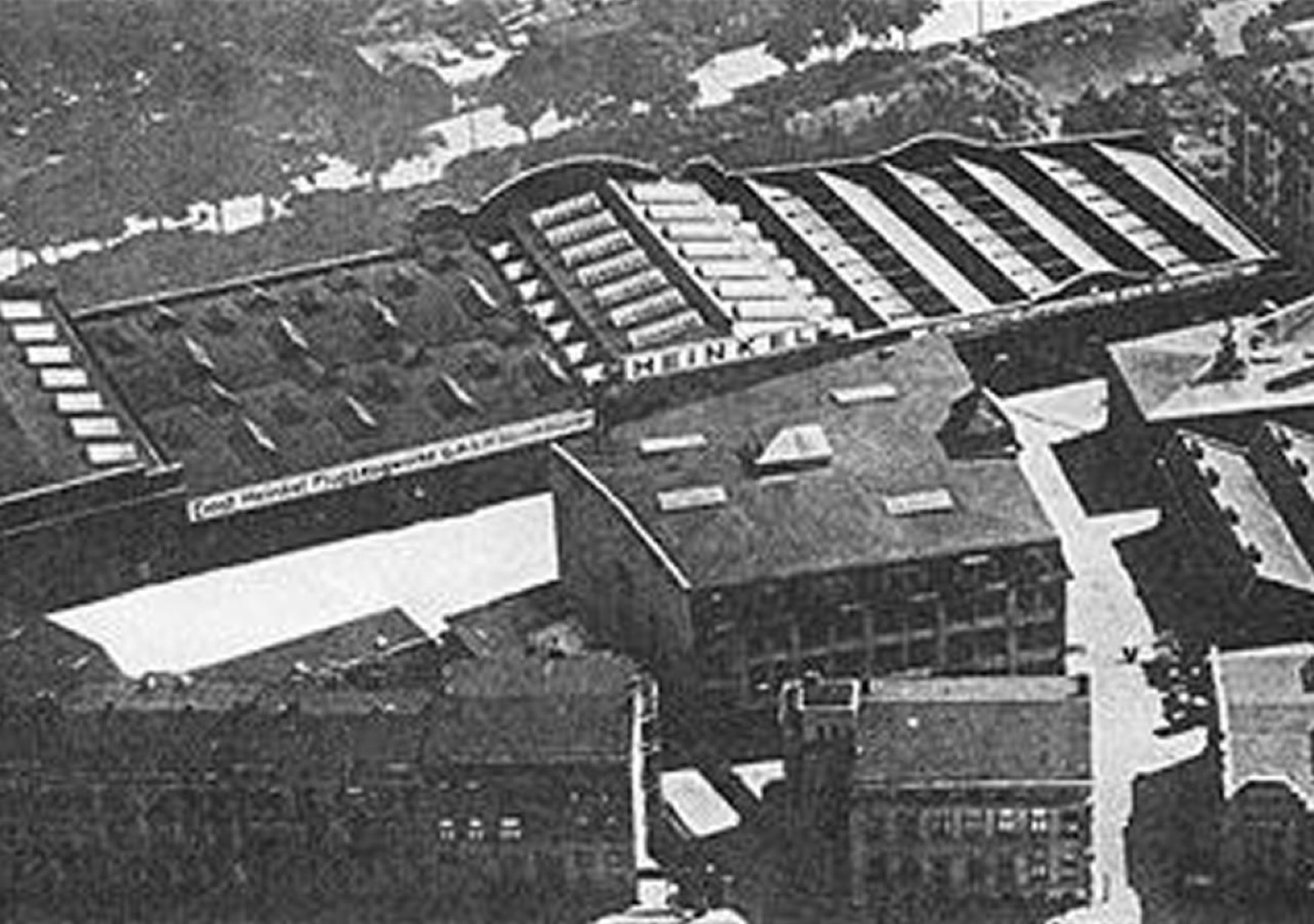
The Ernst Heinkel aircraft works (1922)
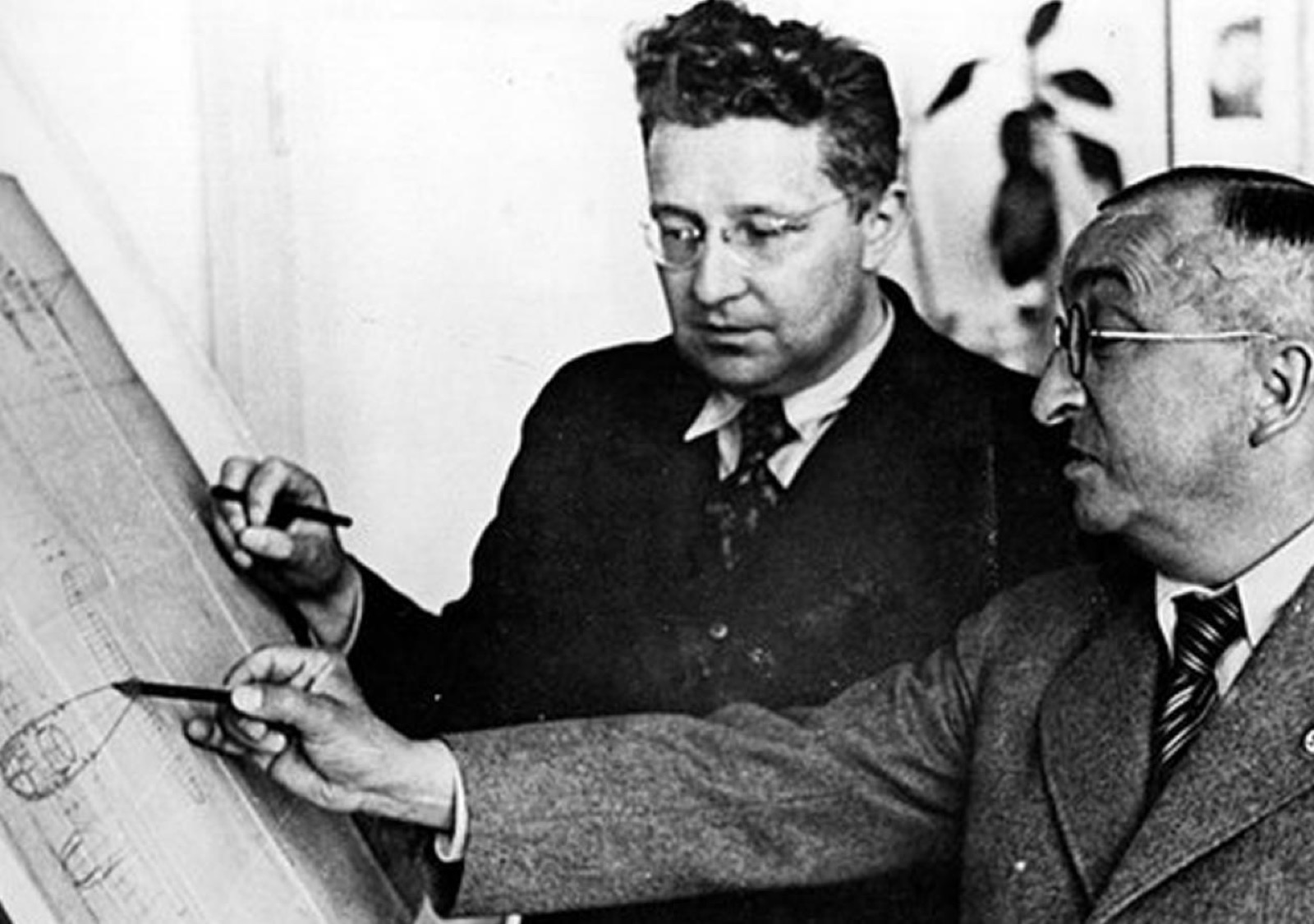
On 1 December 1922 the "Ernst Heinkel Flugzeugwerke Warnemünde" were founded by Ernst Heinrich Heinkel. In the first half of the 20th century they brought Rostock and Warnemünde their industrial breakthrough.
Rostock became a modern metropolis and a centre of contemporary high technology. The 1,352 patents in aviation and 587 patents in engine technology bear witness to the inventive spirit of these works. Countries such as Sweden, Denmark, Finland, Hungary, Russia — and even Japan and China — acquired machines or licences.
Inventions of global significance
- Development of ship-borne catapults — the Heinkel aircraft He 12 and He 58 launched from fast steamers on transatlantic mail routes, saving more than 24 hours (trials from 1927).
- Heinkel He 70 (1932) — at the time the world’s fastest passenger aircraft, built in modern monocoque construction and Germany’s first with retractable landing gear.
- He 111 (1934) — originally a fast civilian airliner for Deutsche Lufthansa, from 1937 developed into the standard Luftwaffe bomber.
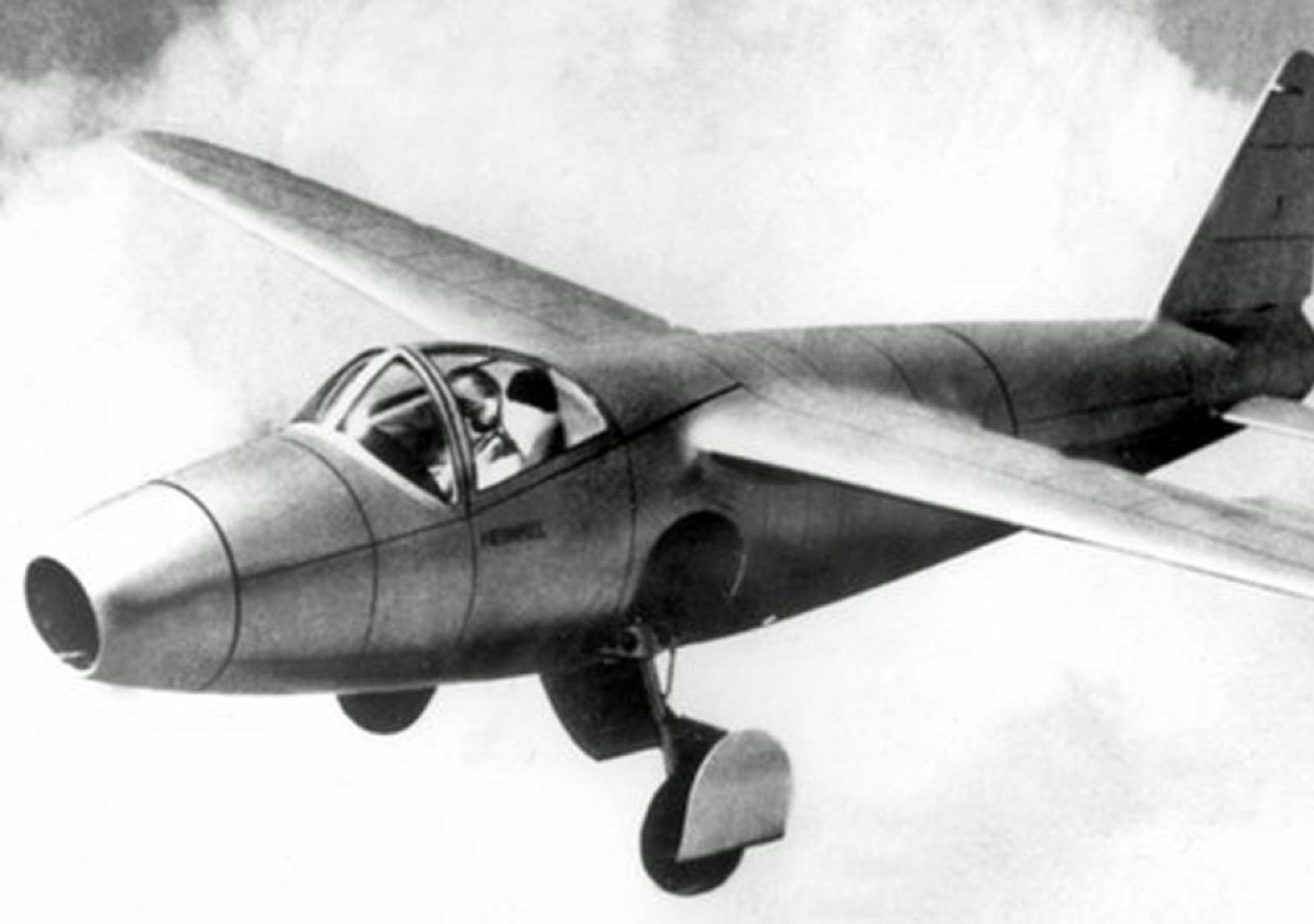
- He 176 (1939) — the world’s first aircraft with a throttleable rocket engine.
- The first turbojet engine, He S 3.
- He 178 — first aircraft with a turbojet engine, maiden flight 27 August 1939; the world’s first jet aircraft.
- Development of the ejection seat (1939).
Growth, war and forced labour
Towards the end of World War II, the company — consolidated since 1943 as the "Ernst Heinkel AG" in Rostock — was one of the largest in its industry. Of the 55,000+ EHAG employees in total, around 17,000 workers were employed at the Rostock site alone in 1945.
Among those 17,000 were also thousands of forced labourers, prisoners of war and concentration-camp inmates, compelled to work at the plant.
After 1945 — dismantling and memory
After WWII, the Allies confiscated EHAG’s property — located in the Soviet occupation zone and later the GDR — on the basis of the Potsdam Agreement.
The plant buildings, already heavily damaged by bombing, were dismantled and blown up. Today only a single windowless brick wall in Rostock recalls the Ernst Heinkel works. Ten metres high and thirty metres long, the wall has been a protected monument since 1993.
From admin building to hotel
From the remaining bricks, today’s Hotel Am Fischereihafen was built in 1953. Until German reunification it served as the administrative building of the Rostock Fish Combine.
Source: ostsee.de · schon-gewusst/heinkel-werke
A touch of GDR history
To this day, the building is suspected of having also been used by the Stasi — a very large telephone exchange still sits in the basement.
Since 2004 — hotel at the inner harbour
Since 2004 the building has been a hotel welcoming more than 10,000 guests a year. It was most recently modernised in 2008, 2010 and 2012.